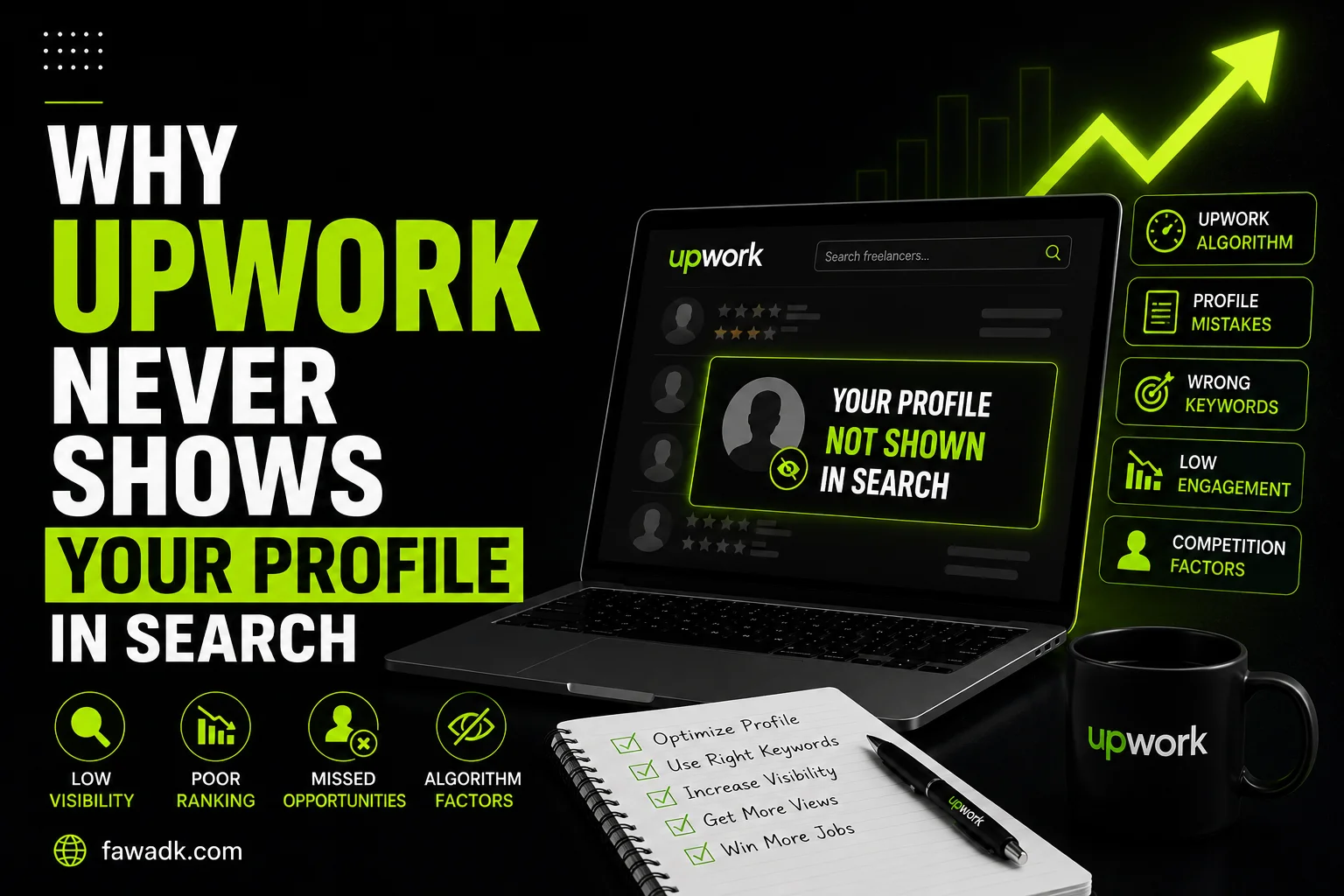
Your Upwork profile isn't invisible by accident. Here's how the search algorithm actually ranks freelancers — and the exact fixes that restore visibility.
Most freelancers assume Upwork search rewards the most experienced person in the room. It doesn't. A mid-level specialist with a niche profile updated last week will consistently outrank a senior generalist who built a strong profile two years ago and hasn't touched it since. The algorithm isn't judging your ability — it's reading signals. That's the distinction most people never make.
The Proposal Isn't Read the Way You Think It Is
Upwork's search algorithm ranks profiles based on keyword relevance, Job Success Score, activity recency, and proposal-to-interview ratio - not experience level or years on the platform. Most freelancers who aren't getting found are losing on signals the algorithm reads before it ever gets to their skill level. The algorithm decides who appears before a single client ever searches.
If invitations have dropped, proposals are going unread, or the profile simply isn't showing up, the cause is almost always one of four fixable signals. This post breaks down exactly how the algorithm works, what's suppressing visibility, and the specific changes that move the needle - based on patterns I've seen across 300+ Upwork accounts.
01: The System
What Upwork's Search Algorithm Actually Does
Upwork's search algorithm is not one system — it's two, and they rank different things. The first is talent search, which controls what a client sees when they type "B2B copywriter" into the search bar and browse profiles. The second is proposal ranking, which determines the order clients see submitted proposals on a job posting. Most guides treat these as identical. They operate on different signals entirely
.Talent search weights profile title, overview keywords, skills tags, Job Success Score (JSS), and activity recency. Proposal ranking weights submission timing, Connects spent, proposal-to-interview ratio, and keyword match between the proposal text and the job post. A freelancer can rank well in talent search and still be buried in the proposal feed — or vice versa. Optimizing both requires understanding which signal belongs to which system.
The algorithm's actual goal is predicting the most likely successful hire, not surfacing the most qualified freelancer. That distinction matters because it means relevance and recency often outweigh raw experience in the ranking output.
Key Fact
Upwork's algorithm assigns each profile a relevance score based on keyword match, niche specialization, and engagement signals. Freelancers with a Job Success Score above 90% appear significantly more often in client search results than those below 80% — the visibility gap
02: The Real Problem
Why Most Freelancers Stay Invisible in Upwork Search
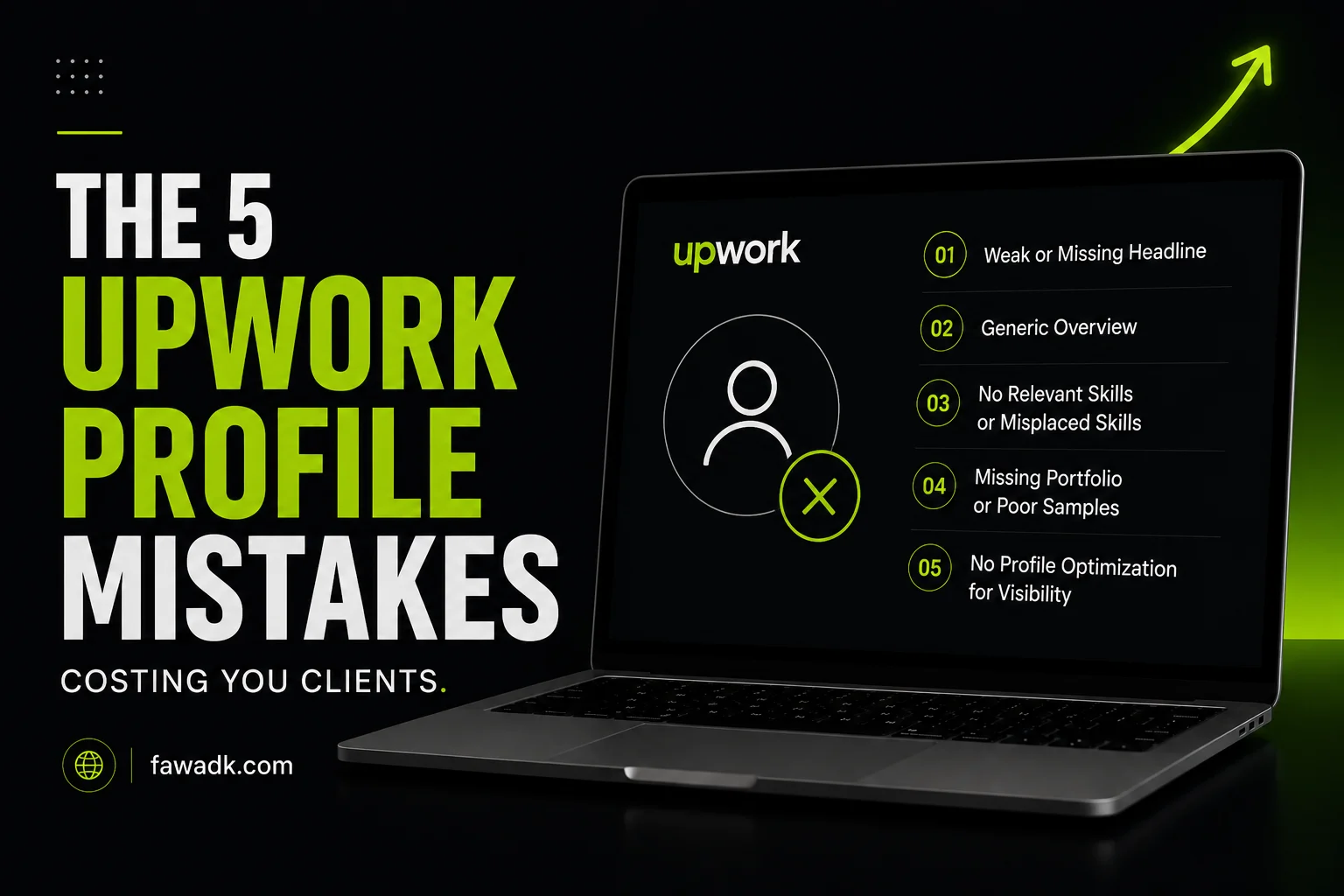
Profile invisibility almost always traces to one of four root causes. Most freelancers fix the wrong one — or increase proposal volume instead, which makes the underlying problem worse.
Profile title is too broad to rank
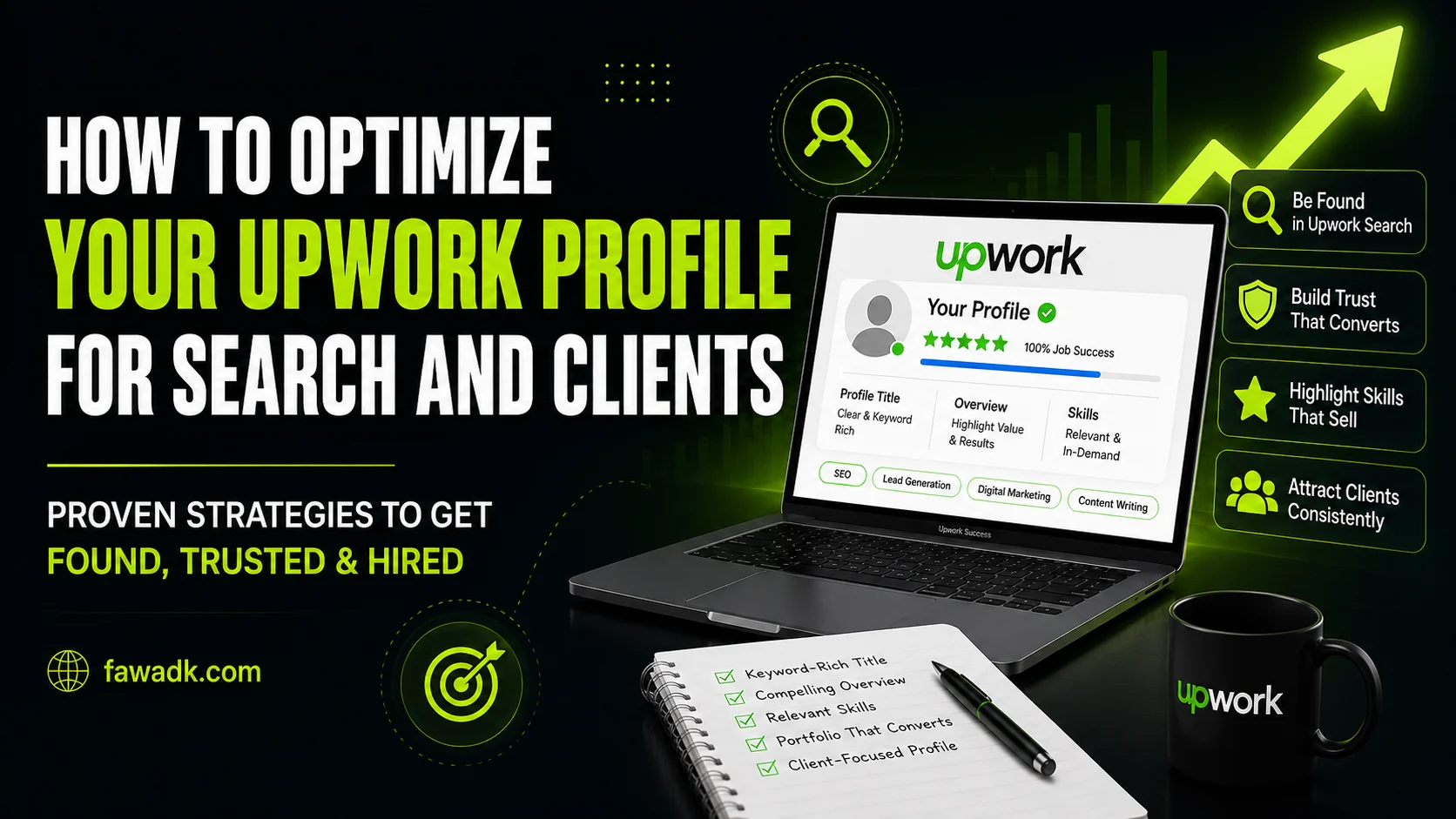
"Experienced Freelancer | Writer | Designer | Developer" is not a title the algorithm can place in a specific category. When a profile claims six services, the algorithm treats it as a weak match for all of them rather than a strong match for one. A title change from "Content Writer" to "B2B SaaS Content Writer" — nothing else — has produced measurable invitation rate increases in accounts I manage, typically within two to three weeks.
Profile hasn't been updated recently
Upwork's algorithm monitors activity recency as a trust signal. A profile unchanged for four to six months gets treated as potentially inactive and deprioritized in favor of accounts showing recent engagement. This catches experienced freelancers off guard — they build a strong profile and assume it keeps working. It doesn't. Freshness requires maintenance.
JSS is below the visibility threshold
A Job Success Score below 80% effectively removes a profile from most competitive search categories. Upwork suppresses low-JSS profiles because the platform's business model depends on successful client matches — showing a client a freelancer with a 72% JSS creates platform risk. The drop usually happens gradually, which is why most freelancers don't catch it until visibility is already gone.
Proposal-to-interview ratio is suppressing future proposals
Upwork tracks how often proposals convert to interviews over time. A consistently low ratio in high-intent job categories triggers a visibility reduction on future proposals — the algorithm interprets a weak ratio as a targeting or quality problem. This is the signal almost no guide covers, and it's one of the most consistent patterns I've found across accounts with declining proposal performance.
03: The Framework
Step-by-Step Framework to Fix Upwork Search Visibility
1: Rewrite the profile title around one niche
The profile title carries the highest keyword weight in talent search. It needs to name one service and one client type precisely — "WordPress Developer for Healthcare SaaS" outperforms "Web Developer" in targeted searches because the algorithm has a clear category to place it in. Look at job posts in your target niche and use the exact phrasing clients use, not synonyms.
2: Update the profile every 60–90 days
Small edits produce freshness signals the algorithm reads as active account management. Updating one portfolio item, refining a paragraph in the overview, or refreshing the skills list takes ten minutes and resets the inactivity clock. If the profile hasn't changed in more than three months, this is the first fix — before proposals, before Connects, before anything else.
3: Stabilize JSS above 90% before increasing volume
If JSS is below 85%, sending more proposals adds to a weak proposal-to-interview ratio without fixing the visibility problem. Tighten client screening first — confirm scope before starting, communicate clearly during delivery, and ask directly whether anything needs adjustment before closing a contract. One well-managed project that generates strong private feedback does more for search ranking than five rushed ones.
4: Match skills tags to exact client search terms
Upwork's algorithm uses skills tags to match profiles to job post searches. "Content Writing" and "B2B Content Writing" are different tags with different traffic — using the wrong one means missing the searches that matter. Research job posts in the target niche, identify the skill labels that appear most frequently, and align the profile's skill tags to those exact strings rather than approximate equivalents.
5: Monitor invitation rate weekly as the health signal
Invitation rate is a leading indicator that the algorithm is placing the profile correctly. A drop over two consecutive weeks means something has shifted — recency, JSS, keyword alignment, or skills match. Catching this early prevents the compounding effect of reduced visibility on future proposals. Treat a falling invitation rate as a profile audit trigger, not a market conditions problem.
6: Apply within the first hour to improve proposal ranking
04: Real Example
Real Example
From the Accounts I Manage
A UX designer came to me with a 91% JSS and six years of Upwork experience. She was getting one or two invitations per month and assumed the niche had become too competitive. The actual problem was a profile title listing seven skill areas — "UX/UI Designer | Figma | Prototyping | Research | Mobile | Web | Wireframes" — and a profile that hadn't been updated in seven months.
Two changes, one afternoon: the title became "UX Designer for SaaS Product Teams" and three portfolio items got outcome-focused rewrites replacing generic deliverable descriptions. Nothing else changed — same JSS, same proposals, same rate.
Three weeks later, invitations went from two per month to seven. The algorithm had the signal it needed to place her accurately. It just wasn't getting that signal before.
05: Comparison
Common vs. Better Approach
❌ Common Approach
Title listing multiple services
Profile built once, untouched for months
More proposals when visibility drops
Skills filled to 15 randomly
Checking proposal reply rate only
Waiting until JSS drops below 80%
✓ Better Approach
One service + one client type — specific enough for the algorithm to categorize
Small updates every 60–90 days to maintain freshness signals
Profile audit first — volume on a deprioritized profile worsens ratio
Skills matched to exact terms clients use in job posts
Tracking invitation rate weekly as the leading health indicator
Proactive client screening to keep JSS above 90% consistently
06: Advanced
Advanced Tips for Upwork Profile Visibility
Advanced — Most Guides Miss This
Proposal-to-interview ratio suppression is invisible until it's already a problem. Upwork doesn't surface this metric to freelancers, but it's one of the most consistent patterns across underperforming accounts I've worked with. Freelancers applying broadly to high-volume job categories accumulate a weak ratio over months. The algorithm eventually treats this as a quality signal and reduces proposal placement — even when the proposals themselves are well-written. Fixing this requires tighter filtering, not better copy.
Independent profiles receive a slight organic visibility advantage over agency accounts in generic keyword searches. This isn't widely documented, but it's a real structural difference in how the algorithm weights account type. If operating as an agency on Upwork, this is worth accounting for in targeting strategy — particularly in categories where both account types compete for the same clients.
Daily login and fast message response times both feed into account health signals. Responding to messages within 24 hours and accepting relevant interview invitations — not just submitting proposals — contribute to the engagement signals the algorithm reads as an active, available freelancer.
07: Watch Out For
Common Mistakes That Keep Profiles Hidden
Spending on Boosted Proposals before fixing organic signals
Boosting a proposal increases its placement within an already-ranked pool — but the underlying profile signals still apply. A low JSS or weak keyword relevance doesn't get overridden by Connects spend. Fix the organic signals before boosting, or the budget produces no meaningful return.
Ignoring private client feedback
Upwork collects private ratings from clients even when no public review is left. These ratings affect JSS and search ranking without the freelancer ever seeing them. Asking "Is there anything you'd want adjusted before we close this?" before ending a contract catches most issues before they become invisible score damage.
Optimizing proposals while ignoring the profile
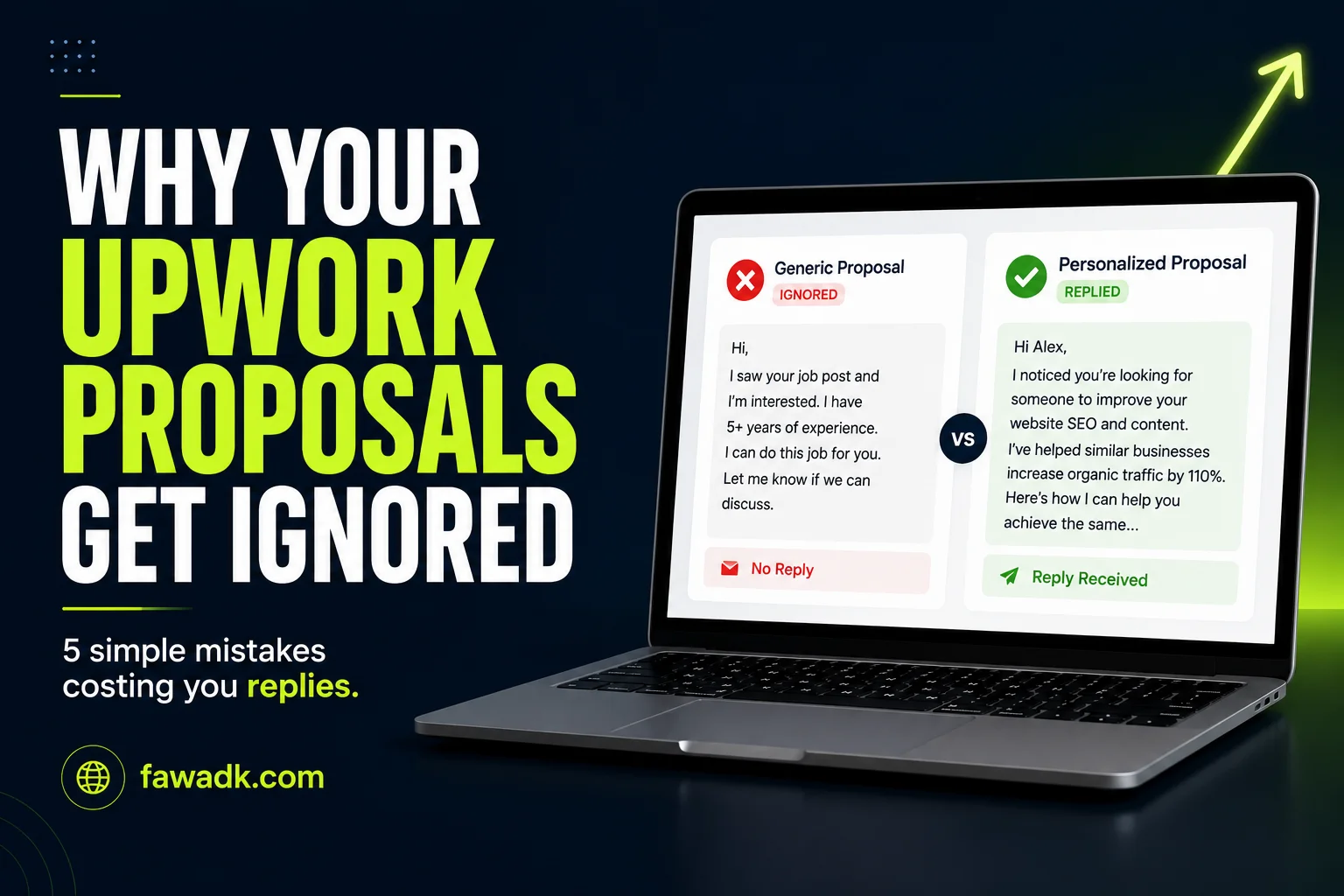
A well-written proposal doesn't help if the profile is deprioritized in the ranking. The proposal's visibility depends partly on the profile's standing. When results are poor, most freelancers rewrite the proposal — the more likely fix is the profile.
Reacting to JSS drop instead of preventing it
JSS recovery takes months because the score is calculated on a trailing 12-month window. Screening clients before accepting — not after a contract goes sideways — is the only effective strategy. By the time JSS drops below 80%, visibility is already gone.
08: Final Thoughts